
Why Older Homes in Reading Need Specialized Plumbing Care
Published on November 27, 2026 at 02:53 AM
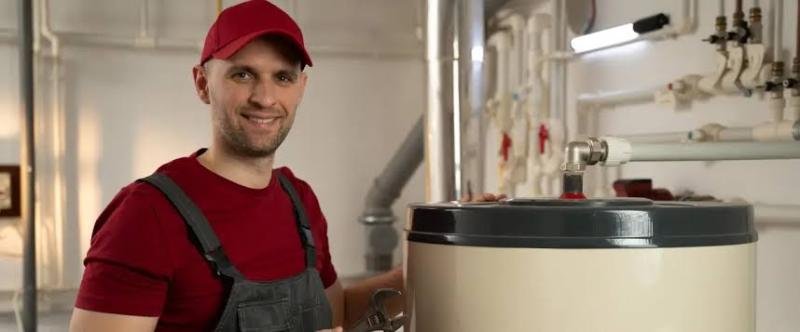
Older homes in Reading have a unique charm, from traditional Victorian properties to period cottages and established family houses. However, behind their character and original features, these properties may have plumbing systems that require extra attention. Ageing pipes, outdated fittings, low water pressure and hidden leaks can all create problems if the plumbing is not properly maintained.
Unlike modern properties, older houses may have pipework and plumbing layouts that were installed many decades ago. These systems can deteriorate over time, making regular inspections and professional maintenance essential. Hiring an experienced plumber in Reading can help homeowners identify potential problems early and keep their plumbing systems working safely and efficiently.
In this article, we explore why older homes need specialised plumbing care, common issues homeowners may face and how professional plumbing services can help protect their properties.
1. Ageing Pipes Can Cause Unexpected Plumbing Problems
One of the most common concerns in older properties is deteriorating pipework. Some traditional homes still have original plumbing systems that may have experienced years of wear and tear.
Older metal pipes can gradually corrode, develop leaks or become restricted by mineral deposits. These problems can affect water flow and increase the risk of unexpected pipe failures.
- A professional inspection can help identify the condition of existing pipes and determine whether repairs or replacement are necessary. An experienced plumber can also recommend suitable modern materials that improve reliability without unnecessarily disturbing the property's original structure.
2. Low Water Pressure in Older Properties
Low water pressure is another issue that homeowners in older Reading properties may experience. It can make everyday activities such as showering, washing dishes and filling baths frustrating.
There are several possible reasons for reduced water pressure, including:
Internal pipe corrosion.
Limescale and mineral build-up.
Partially blocked pipes.
Old or faulty valves.
Problems with the property's water supply.
Finding the actual cause is important before replacing any plumbing components. A qualified plumber in Reading can inspect the system, check the pipework and identify whether the problem is caused by an internal blockage, faulty fitting or another issue.
Depending on the findings, cleaning, repairing or upgrading certain parts of the plumbing system may help restore better water flow.
3. Hidden Leaks Can Damage Older Buildings
Small plumbing leaks can become serious problems when they remain unnoticed. In older homes, pipework may run behind walls, underneath floors or through difficult-to-access spaces.
A minor leak can gradually damage plaster, wooden flooring, ceilings and other building materials. Long-term moisture can also encourage mould growth and create unpleasant indoor conditions.
Homeowners should look out for signs such as:
Unexplained increases in water bills.
Musty smells in certain rooms.
Peeling paint or bubbling wallpaper.
Damp areas around pipe connections.
Water stains on ceilings and walls.
If you notice these warning signs, arranging a professional inspection as soon as possible can help prevent further damage. Early repairs are often simpler and less disruptive than dealing with extensive water damage later.
4. Outdated Plumbing Fixtures May Need Upgrading
Older properties sometimes have original taps, toilets, shower fittings and pipe connections that are no longer working efficiently.
While traditional fixtures can add character to a home, worn internal components may cause dripping taps, running toilets and inconsistent water flow.
Upgrading selected fixtures can improve everyday convenience and help reduce unnecessary water waste.
However, older plumbing systems require careful consideration before installing modern fittings. The existing pipe sizes, connections and water pressure should be checked to ensure that new fixtures are compatible.
A professional plumber can recommend practical upgrades that improve performance while maintaining the property's original appearance.
5. Older Drainage Systems Require Regular Attention
Drainage problems can affect properties of all ages, but older homes may have ageing drainage pipes that are more vulnerable to cracks, blockages and root intrusion.
Over time, grease, soap residue, hair and other waste materials can collect inside drainage pipes. In some properties, tree roots may also enter damaged underground drains and restrict wastewater flow.
Common signs of drainage problems include:
Water draining slowly from sinks and baths.
Unpleasant smells coming from plugholes.
Gurgling noises in drainage pipes.
Repeated toilet blockages.
Water backing up through household drains.
Ignoring these symptoms can lead to more serious drainage issues. Professional drain inspections and appropriate cleaning can help identify the cause and restore proper wastewater flow.
6. When Should You Call an Emergency Plumber in Reading?
Not every plumbing issue requires immediate attention, but certain situations should never be ignored. A burst pipe, major water leak or serious drainage backup can cause significant property damage if left unresolved.
An Emergency Plumber in Reading can help homeowners respond to urgent plumbing situations and arrange the necessary repairs.
You should seek emergency plumbing assistance if you experience:
A burst pipe causing uncontrolled water leakage.
A serious leak that cannot be contained.
Water overflowing from toilets or drains.
Sudden loss of water supply caused by an internal plumbing fault.
Significant water damage affecting walls, floors or ceilings.
If a pipe bursts, turn off the main water supply if it is safe to do so. Keep away from electrical equipment or sockets affected by water and arrange professional assistance promptly.
Taking quick action can limit damage and help protect your home and belongings.
7. Why Professional Plumbing Inspections Matter
Regular plumbing inspections are particularly important for older properties because some problems develop gradually without showing obvious symptoms.
A professional inspection can help homeowners understand the condition of their plumbing system and identify areas that may need attention.
During an inspection, a plumber may check:
Visible pipework for corrosion and leaks.
Taps, toilets and bathroom fittings.
Water pressure and flow.
Internal valves and connections.
Household drainage systems.
Signs of dampness around plumbing installations.
Based on the inspection, homeowners can prioritise essential repairs and plan future improvements. This approach can help reduce unexpected breakdowns and avoid unnecessary repair expenses.
8. Protect Your Older Home with Preventive Plumbing Maintenance
Looking after an older property does not always mean replacing the entire plumbing system. In many cases, regular maintenance and timely repairs can keep existing installations working effectively.
Here are some simple steps homeowners can follow:
Check taps and exposed pipes regularly for leaks.
Avoid pouring cooking oil or grease down kitchen drains.
Keep an eye on changes in water pressure.
Arrange professional inspections when problems appear.
Repair dripping taps and faulty toilet fittings promptly.
Know where your main water shut-off valve is located.
These small precautions can make a noticeable difference to the condition of your plumbing system.
Conclusion
Older homes in Reading deserve plumbing care that takes their age, structure and existing installations into account. From corroded pipes and low water pressure to hidden leaks and ageing drainage systems, several issues can affect the comfort and safety of these properties.
Regular inspections, suitable upgrades and timely repairs can help homeowners avoid expensive plumbing emergencies. Whether you need routine maintenance or urgent assistance, choosing an experienced plumber in Reading is an important step towards keeping your home in good condition.
Berkshire Heat Ltd provides plumbing and heating services in Reading and across Berkshire. If you have noticed plumbing problems in your older property, contact the team to discuss your requirements and arrange professional assistance.

Written by Kuldeep Singh
Please login to comment on this post.